Natural Healing: Herbal Consults for Balanced Living

In today's fast-paced world, many people are seeking alternatives to conventional medicine. The desire for natural healing methods has grown significantly, as individuals look for ways to achieve balance in their lives. One of the most effective ways to explore this path is through herbal consults. These consultations can provide personalized guidance on using herbs to support health and well-being.
Herbal medicine has been used for centuries across various cultures. It offers a holistic approach to health, focusing on the body, mind, and spirit. In this blog post, we will explore the benefits of herbal consults, how they work, and what you can expect from a session.
Understanding Herbal Consults
Herbal consults are sessions with trained herbalists who assess your health needs and recommend specific herbs and remedies. These consultations can be done in person or online, making them accessible to many people.
During a consult, the herbalist will ask about your health history, lifestyle, and any specific concerns you may have. This information helps them create a tailored plan that suits your individual needs.
The Benefits of Herbal Consults
Personalized Care: One of the main advantages of herbal consults is the personalized approach. Unlike over-the-counter medications, herbs can be tailored to your unique situation.
Holistic Approach: Herbalists consider the whole person, not just the symptoms. This means they look at emotional, physical, and spiritual aspects of health.
Natural Remedies: Many people prefer natural remedies over pharmaceuticals. Herbs can offer effective solutions with fewer side effects.
Empowerment: Learning about herbs and how they work can empower you to take charge of your health.
Support for Chronic Conditions: Herbal consults can provide support for chronic conditions, helping to manage symptoms and improve quality of life.
Common Herbs Used in Consults
Herbalists often recommend a variety of herbs based on individual needs. Here are some common herbs you might encounter during a consult:
Chamomile: Known for its calming effects, chamomile can help with anxiety and sleep issues.
Echinacea: Often used to boost the immune system, echinacea can help prevent colds and infections.
Ginger: This powerful herb aids digestion and can help reduce nausea.
Peppermint: Great for digestive health, peppermint can relieve bloating and discomfort.
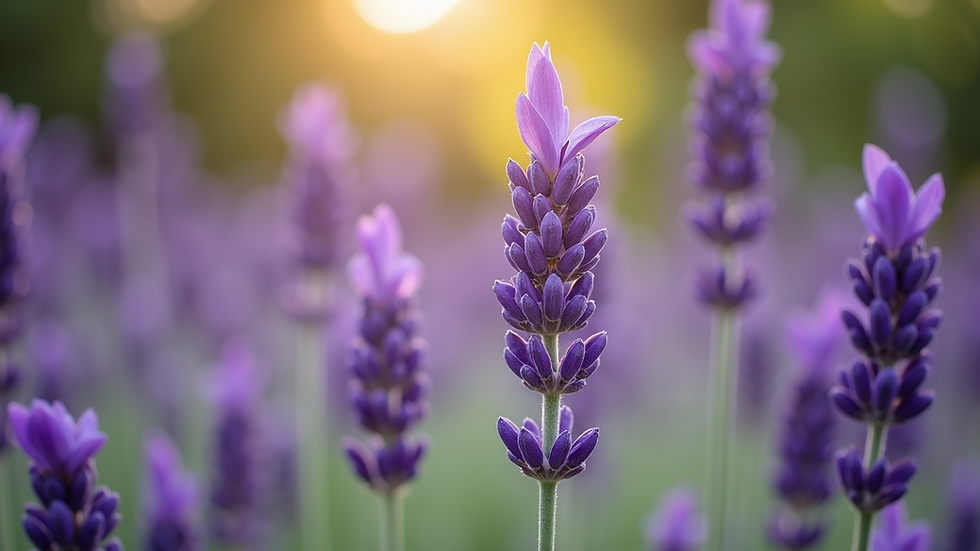
Lavender: Known for its soothing properties, lavender can help reduce stress and promote relaxation.
How to Prepare for Your Herbal Consult
To get the most out of your herbal consult, consider the following tips:
Be Honest: Share your health history and any medications you are taking. This information is crucial for safe recommendations.
List Your Concerns: Write down any specific health issues or symptoms you want to address.
Ask Questions: Don’t hesitate to ask your herbalist about their recommendations and how the herbs work.
Be Open-Minded: Be willing to explore new herbs and remedies that may be unfamiliar to you.
Follow Up: After your consult, keep in touch with your herbalist to discuss your progress and any adjustments needed.
What to Expect During a Session
During your herbal consult, you can expect a warm and welcoming environment. The herbalist will take the time to listen to your concerns and ask questions to understand your health better.
Initial Assessment
The session typically begins with an initial assessment. The herbalist will ask about your medical history, lifestyle, and any symptoms you are experiencing. This information helps them create a comprehensive picture of your health.
Recommendations
After the assessment, the herbalist will provide recommendations tailored to your needs. This may include specific herbs, teas, tinctures, or lifestyle changes.
Education
A key part of the consult is education. The herbalist will explain how the recommended herbs work and how to use them effectively. This knowledge empowers you to make informed decisions about your health.
Follow-Up
Many herbalists recommend follow-up sessions to monitor your progress. This allows for adjustments to your herbal plan as needed.
Integrating Herbal Remedies into Your Life
Once you have your recommendations, integrating herbal remedies into your daily routine can be simple and enjoyable. Here are some tips to help you get started:
Create a Herbal Routine: Set aside time each day to prepare and enjoy your herbal remedies.
Experiment with Recipes: Try incorporating herbs into your cooking. For example, add fresh ginger to smoothies or use chamomile in baked goods.
Stay Consistent: Consistency is key when using herbal remedies. Follow your herbalist's recommendations for the best results.
Listen to Your Body: Pay attention to how your body responds to the herbs. If something doesn’t feel right, consult your herbalist.
Combine with Other Practices: Consider combining herbal remedies with other holistic practices, such as yoga or meditation, for a more balanced approach to health.
The Role of Lifestyle in Natural Healing
While herbal remedies can be powerful tools for healing, they work best when combined with a healthy lifestyle. Here are some lifestyle factors to consider:
Nutrition: Eating a balanced diet rich in whole foods can enhance the effects of herbal remedies.
Exercise: Regular physical activity supports overall health and can improve the effectiveness of herbal treatments.
Stress Management: Finding ways to manage stress, such as through mindfulness or relaxation techniques, can complement your herbal journey.
Sleep: Prioritizing quality sleep is essential for healing and overall well-being.
The Importance of Community
Engaging with a community that values natural healing can enhance your experience. Consider joining local herbal groups or online forums where you can share experiences and learn from others.
Connecting with like-minded individuals can provide support and encouragement on your healing journey.
Finding a Qualified Herbalist
When seeking an herbalist, it is essential to find someone qualified and experienced. Here are some tips for finding the right herbalist for you:
Research Credentials: Look for herbalists with formal training and certifications.
Read Reviews: Check online reviews and testimonials from previous clients.
Ask for Recommendations: Seek recommendations from friends or family who have had positive experiences with herbalists.
Schedule a Consultation: Many herbalists offer initial consultations. Use this opportunity to see if their approach aligns with your needs.
Trust Your Instincts: Choose an herbalist you feel comfortable with and trust.
Embracing the Journey of Natural Healing
Natural healing through herbal consults is a journey that requires patience and commitment. It is about more than just taking herbs; it is about embracing a lifestyle that promotes balance and well-being.
As you explore this path, remember that healing is a personal experience. What works for one person may not work for another. Be open to discovering what resonates with you.
Final Thoughts
Herbal consults offer a unique opportunity to explore natural healing methods. By working with a qualified herbalist, you can gain valuable insights into how herbs can support your health.
As you embark on this journey, remember to be patient with yourself. Healing takes time, and every step you take brings you closer to a balanced life.
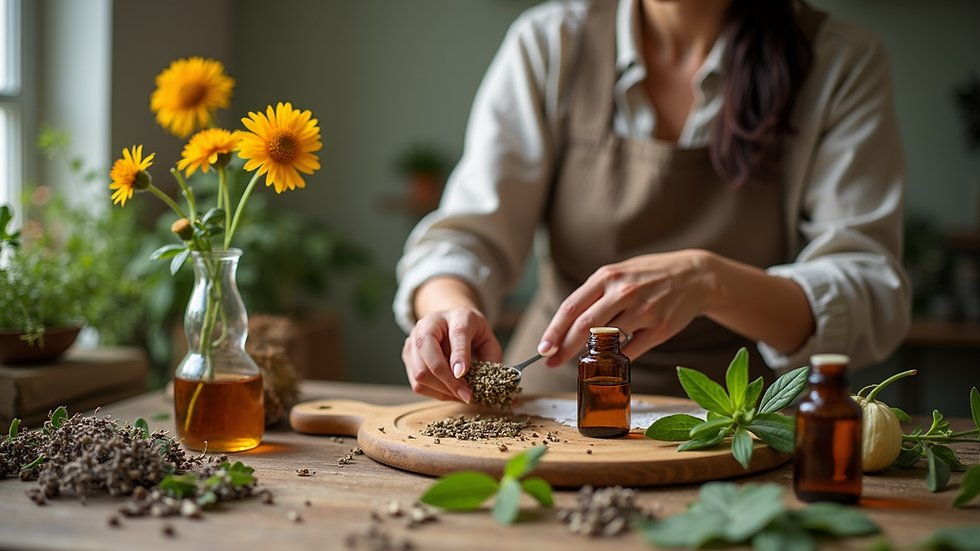
By integrating herbal remedies into your life and embracing a holistic approach to health, you can cultivate a sense of balance and well-being that lasts.
Explore the world of herbal medicine, and let it guide you toward a healthier, more vibrant life.

Comments