Exploring Herbalism for Holistic Energy Healing Benefits

Herbalism is an ancient practice that has gained renewed interest in recent years. People are increasingly looking for natural ways to enhance their well-being. This blog post will explore how herbalism can be a powerful tool for holistic energy healing.
Herbalism is not just about using plants for medicinal purposes. It is a way to connect with nature and harness its energy. By understanding the properties of different herbs, we can use them to support our physical, emotional, and spiritual health.
In this post, we will look at the benefits of herbalism, some common herbs used in energy healing, and practical ways to incorporate them into your daily life.
The Benefits of Herbalism
Herbalism offers a range of benefits that can enhance your overall well-being. Here are some key advantages:
Natural Remedies: Herbs provide natural alternatives to pharmaceuticals. They can help alleviate various ailments without the side effects often associated with conventional medicine.
Holistic Approach: Herbalism considers the whole person, not just the symptoms. It addresses physical, emotional, and spiritual aspects of health.
Connection to Nature: Using herbs fosters a deeper connection to the natural world. This connection can promote feelings of peace and grounding.
Empowerment: Learning about herbalism empowers individuals to take charge of their health. It encourages self-care and informed decision-making.
Sustainability: Many herbs can be grown at home, making herbalism a sustainable choice. This practice reduces reliance on commercial products.
These benefits make herbalism an appealing option for those seeking holistic energy healing.
Common Herbs for Energy Healing
Several herbs are particularly well-known for their energy healing properties. Here are a few you might consider:
1. Lavender
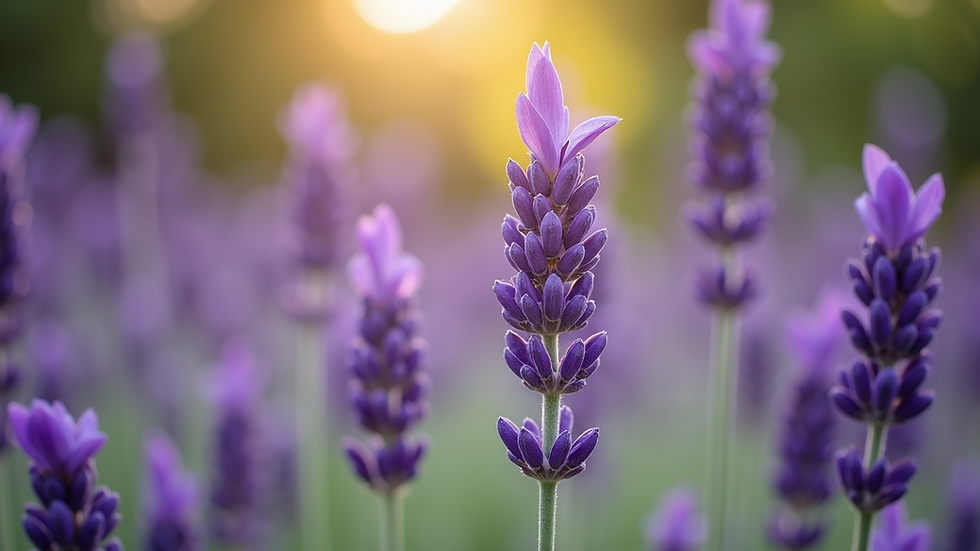
Lavender is famous for its calming effects. It can help reduce anxiety and promote relaxation.
How to Use: You can use lavender essential oil in a diffuser, add dried lavender to a bath, or make a calming tea.
2. Peppermint
Peppermint is invigorating and can help boost energy levels. It is also great for digestion.
How to Use: Drink peppermint tea, inhale peppermint essential oil, or chew on fresh peppermint leaves.
3. Ashwagandha
Ashwagandha is an adaptogen that helps the body manage stress. It can enhance energy and improve overall vitality.
How to Use: Take ashwagandha in capsule form or mix the powder into smoothies or teas.
4. Ginseng
Ginseng is known for its ability to increase energy and improve mental clarity. It is often used to combat fatigue.
How to Use: Ginseng can be taken as a supplement, brewed as tea, or added to soups.
5. Chamomile
Chamomile is soothing and can help with sleep issues. It promotes relaxation and can help balance energy levels.
How to Use: Brew chamomile tea before bedtime or use chamomile essential oil in a diffuser.
These herbs can be powerful allies in your journey toward holistic energy healing.
Practical Ways to Incorporate Herbs into Your Life
Incorporating herbs into your daily routine can be simple and enjoyable. Here are some practical tips:
Herbal Teas
One of the easiest ways to enjoy the benefits of herbs is through herbal teas. You can find a variety of blends at health food stores or make your own.
Tip: Experiment with different combinations to find what works best for you.
Essential Oils
Essential oils are concentrated extracts from plants. They can be used in diffusers, added to baths, or applied topically (with a carrier oil).
Tip: Always do a patch test before applying essential oils to your skin.
Herbal Supplements
If you prefer a more concentrated form, consider herbal supplements. These can be found in health food stores or online.
Tip: Consult with a healthcare professional before starting any new supplement.
Cooking with Herbs
Incorporating fresh herbs into your meals is a delicious way to enjoy their benefits.
Tip: Add herbs like basil, parsley, or cilantro to salads, soups, and sauces.
Gardening
Growing your own herbs can be a rewarding experience. Even if you have limited space, many herbs can thrive in pots on a windowsill.
Tip: Start with easy-to-grow herbs like mint, basil, or rosemary.
By integrating these practices into your life, you can harness the power of herbalism for energy healing.
The Role of Intention in Herbalism
When using herbs for healing, intention plays a crucial role. Setting a clear intention can enhance the effectiveness of your herbal practices.
Mindfulness: Take a moment to reflect on what you hope to achieve. Whether it is relaxation, energy, or balance, being mindful of your intention can guide your use of herbs.
Visualization: Visualize the energy of the herb working within you. This can create a stronger connection and enhance the healing process.
Gratitude: Expressing gratitude for the herbs and their healing properties can foster a positive mindset. This can amplify the benefits you receive.
By incorporating intention into your herbal practices, you can deepen your connection to the healing process.
Herbalism and Energy Centers
In holistic healing, energy centers, or chakras, play a significant role. Each chakra corresponds to different aspects of our being. Certain herbs can support the balance of these energy centers.
Root Chakra
The root chakra is associated with grounding and stability. Herbs like ginger and dandelion can help strengthen this energy center.
Sacral Chakra
The sacral chakra relates to creativity and emotions. Herbs such as cinnamon and orange can enhance this energy.
Solar Plexus Chakra
The solar plexus chakra is linked to personal power and confidence. Herbs like turmeric and chamomile can support this area.
Heart Chakra
The heart chakra is about love and compassion. Herbs like rose and hibiscus can help open and balance this energy center.
Throat Chakra
The throat chakra is connected to communication. Herbs like peppermint and sage can aid in expressing oneself.
Third Eye Chakra
The third eye chakra relates to intuition and insight. Herbs such as lavender and mugwort can enhance clarity.
Crown Chakra
The crown chakra is about spiritual connection. Herbs like holy basil and ginseng can support this energy center.
By using herbs that correspond to specific chakras, you can enhance your energy healing practice.
Creating Your Herbal Ritual
Creating a personal herbal ritual can be a powerful way to incorporate herbalism into your life. Here are some steps to get started:
Choose Your Herbs: Select herbs that resonate with your intentions and needs.
Set the Space: Create a calming environment. Light candles, play soft music, or use essential oils to set the mood.
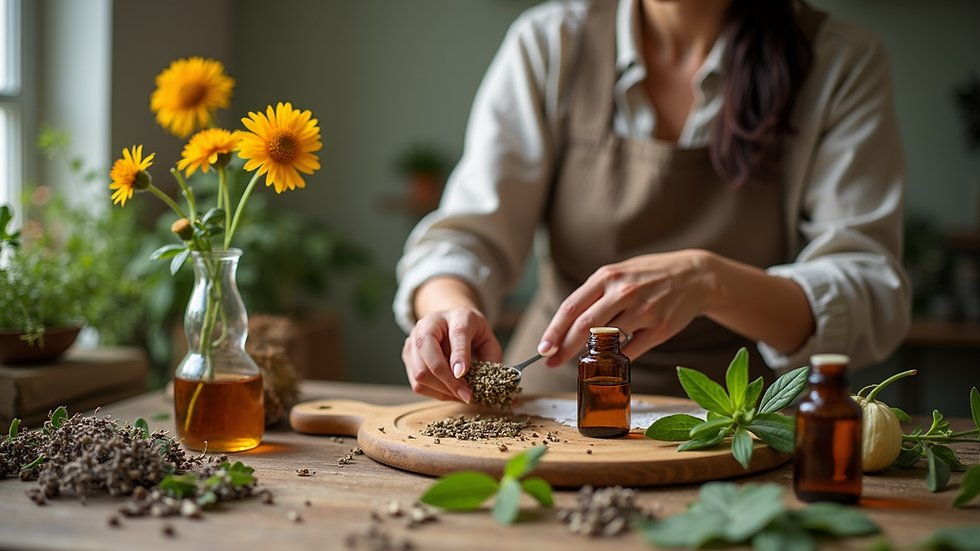
Prepare Your Herbs: Whether making tea, using essential oils, or preparing a tincture, take your time to connect with the herbs.
Practice Mindfulness: As you engage with the herbs, focus on your breath and your intentions. Allow yourself to be present in the moment.
Reflect: After your ritual, take a moment to reflect on your experience. Journaling can be a helpful way to process your thoughts and feelings.
By establishing a regular herbal ritual, you can deepen your connection to herbalism and its healing benefits.
The Future of Herbalism
As more people seek natural alternatives for health and wellness, the future of herbalism looks bright.
Education: Increased access to information about herbalism is empowering individuals to explore this practice.
Sustainability: There is a growing emphasis on sustainable practices in herbalism. This includes responsible sourcing and cultivation of herbs.
Integration: Herbalism is increasingly being integrated into conventional healthcare. Many practitioners recognize the value of combining traditional and modern approaches.
Community: The rise of herbal communities fosters connection and support. Sharing knowledge and experiences can enhance the practice for everyone involved.
The future of herbalism is promising, and its potential for holistic energy healing is vast.
Embracing the Herbal Journey
Herbalism offers a unique path to holistic energy healing. By exploring the benefits of herbs, understanding their properties, and incorporating them into your life, you can enhance your well-being.
Whether you are looking for natural remedies, a deeper connection to nature, or a way to empower yourself, herbalism can be a valuable tool.
As you embark on this journey, remember to approach it with curiosity and an open heart. The world of herbs is rich and diverse, waiting for you to explore its many wonders.
By embracing herbalism, you can unlock the potential for holistic energy healing and discover a more balanced, vibrant life.

Comments